
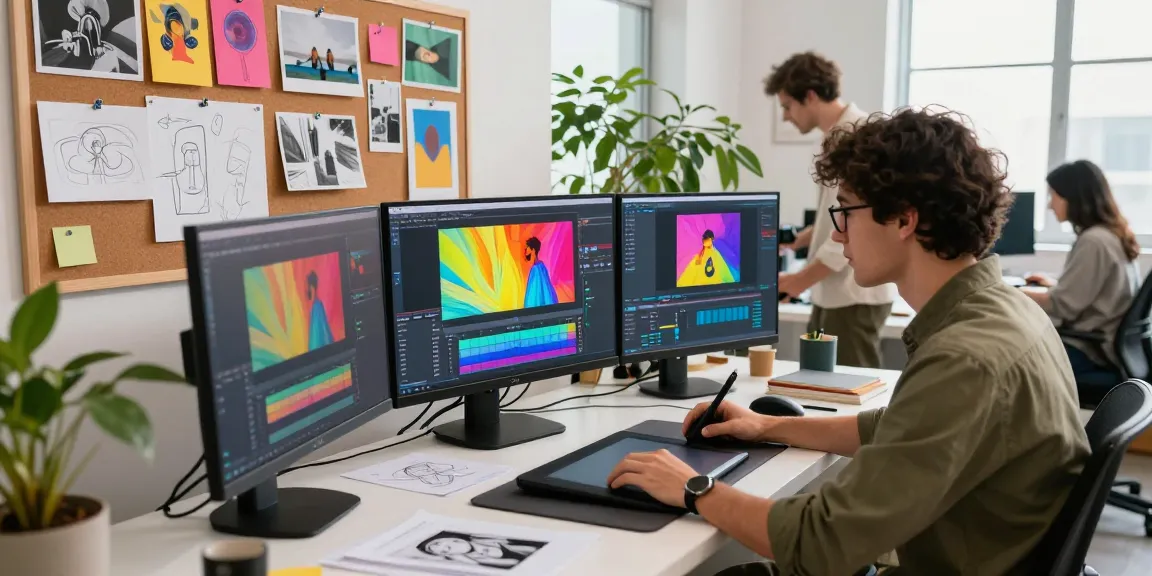
Understanding Image to Image Techniques
In the rapidly evolving field of digital art and design, the concept of image to image transformation has emerged as a transformative tool for artists and designers alike. This technique involves manipulating images to enhance or entirely reimagine them, offering endless creative possibilities. Whether through advanced software or innovative algorithms, the ability to transition from one image to another opens doors to new artistic expressions. In this article, we will delve deep into the intricacies of image to image techniques, including their benefits, misconceptions, tools, best practices, and future trends.
What is Image to Image Transformation?
Image to image transformation refers to a process where one image is transformed into another image using various techniques and tools. This can involve changing the style, enhancing specific features, or applying a completely different visual aesthetic while retaining the core elements of the original image. The transformation can be real-time or batch-processed, allowing for both immediate feedback and large-scale changes.
Key Benefits of Using Image to Image Techniques
- Creativity Enhancement: Artists can explore new styles and techniques through image transformations, allowing for innovative expressions.
- Efficiency: Automation in editing and transformation saves time, enabling artists to focus on the creative aspects of their work.
- Versatility: These techniques can be applied across various fields, including photo editing, video game design, and advertising.
- Quality Improvement: Enhanced algorithms lead to superior image quality, making final products more appealing.
Common Misconceptions about Image to Image Processes
- Only for Experts: Many believe that image to image transformation requires advanced skills. However, numerous user-friendly tools cater to beginners.
- One-Size-Fits-All: Some think that all images can be transformed in the same way. In reality, each image requires a tailored approach.
- Limited to Artistic Fields: This technique is wrongly assumed to be used only by artists; it is also beneficial for marketing, education, and more.
Tools and Software for Image to Image Projects
Leading Software Solutions for Image to Image Editing
The landscape of image to image editing is enriched with various software tools designed to cater to different needs. Popular solutions include:
- Adobe Photoshop: A long-standing favorite among professionals, it offers comprehensive editing features.
- GIMP: An open-source alternative that provides robust editing capabilities without the financial commitment.
- DeepArt: Utilizes AI-driven techniques for style transfer, turning photos into artistic pieces seamlessly.
- Runway ML: A platform that combines machine learning and creative tools for innovative image transformations.
Choosing the Right Tools for Your Design Needs
Selecting the best tools for your image to image projects depends on various factors including your skill level, the type of projects you undertake, and your budget. Beginners may find user-friendly options like Canva useful, while professionals might lean towards more comprehensive software like Adobe Photoshop. Understanding your workflow and goals will guide your decisions.
Integrating Technology in Creative Workflows
Modern workflows increasingly embrace technology, leveraging software and tools that optimize the creative process. For instance, incorporating AI in image transformations can streamline repetitive tasks, leading to a more efficient production line. Additionally, collaborative platforms allow multiple creatives to work on a single project, fostering teamwork and diverse input.
Best Practices for Effective Image to Image Transformation
Step-by-Step Guide to Image to Image Techniques
To effectively utilize image to image transformation, follow these steps:
- Select Your Base Image: Choose a high-quality image that serves as the foundation for transformation.
- Determine Your Objectives: Clearly define what you want to achieve with the transformation.
- Choose the Right Tool: Based on your skills and project requirements, select appropriate software.
- Apply Transformations: Experiment with various styles, filters, and adjustments.
- Refine and Finalize: Review your work, make necessary adjustments, and ensure quality before finalizing.
Tips for Achieving Consistent Quality
- Use High-Resolution Images: Starting with quality images enhances the end result.
- Keep a Consistent Style: When working on multiple images, maintain a unified aesthetic to strengthen the overall project.
- Regularly Save Changes: Protect your progress by saving work frequently to avoid data loss.
Common Challenges and How to Overcome Them
Artists may face several challenges during image to image transformations, including:
- Technical Limitations: Some artists may be restricted by software capabilities. Continuous learning and experimenting with new tools can help overcome this.
- Creative Blocks: Stagnation is common; seeking inspiration from various sources or taking breaks can refresh creativity.
- Inconsistent Quality: To achieve consistent results, developing a strong understanding of selected tools and techniques is vital.
Real-World Examples of Successful Image to Image Applications
Case Studies of Innovative Digital Artists
Digital artists are increasingly utilizing image to image techniques to deliver unique works. For example, artist Refik Anadol employs machine learning and visual data to create stunning installations that transform images into mesmerizing, dynamic art.
Showcasing Image to Image Transformations in Projects
Many brands leverage image to image transformations for marketing purposes. A well-known case is the redesign of branding elements through transformed visuals that align with current trends, effectively engaging audiences.
Learning from Industry Leaders and Their Techniques
Engaging with industry leaders through workshops and tutorials can provide invaluable insights into cutting-edge practices in image to image transformation. Observing their techniques can inspire growth and improve personal projects.
Future Trends in Image to Image Editing for 2026
Emerging Technologies and Their Impact
As technology continues to evolve, so do the methods of image to image transformation. Advances in AI and machine learning promise to revolutionize how we create and interact with images. Tools that automate complex transformations and enhance user accessibility will become more prevalent.
Predictions for the Future of Digital Art
In 2026, digital art is expected to thrive as artists continue to embrace technology. The integration of AR and VR with image transformations will create immersive experiences, expanding how audiences engage with art.
How to Stay Ahead in the Evolving Creative Landscape
To remain competitive in the ever-evolving landscape, artists must prioritize continuous learning and adaptability. Staying informed about emerging trends, investing in new technologies, and participating in collaborative projects will ensure sustained relevance in the field.